.png)
Can Lack of Sleep Cause Depression? What to Know and What Helps


Why restless nights can intensify sadness—and how to improve both without overwhelming yourself
If you’ve been having restless nights and waking up with that heavy, numb, or hopeless feeling, it can start to feel personal—like you’re doing something wrong. Many people reach a point where they can’t tell which came first: the sleep problems or the depression. And the longer it lasts, the more discouraging it can feel.
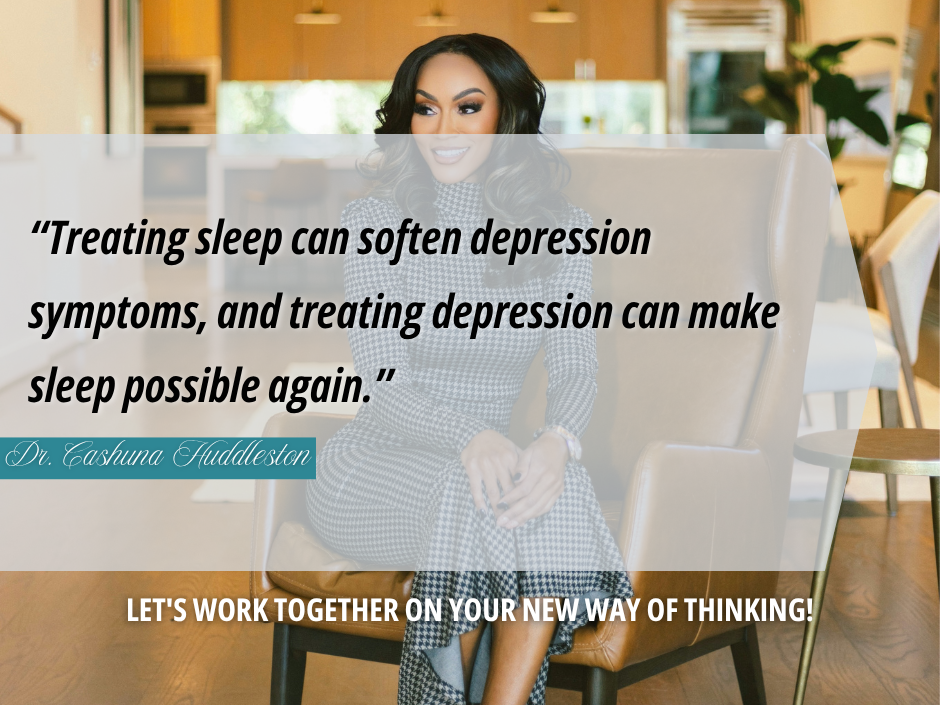
Here’s what I want you to know: sleep and depression are deeply intertwined, and the relationship goes both ways. That doesn’t mean you’re stuck. It means there are multiple entry points for healing. Sometimes improving sleep eases depression symptoms. Sometimes treating depression helps sleep return. Often, the best progress comes from addressing both with gentle consistency rather than trying to “fix your whole life” at once.
How sleep and depression feed each other
Sleep is one of the primary ways your brain and body reset. It supports emotional regulation, memory, energy, and stress recovery. When sleep is disrupted—especially night after night—your ability to cope shrinks. You may feel more reactive, more sensitive, and less resilient. Small stressors feel bigger. Emotions feel sharper or heavier. Your patience gets thinner. It becomes harder to think clearly.
Depression can disrupt sleep in a different way. Hopeless thoughts, rumination, anxiety, and low motivation can interfere with your ability to wind down. Some people can’t fall asleep. Others fall asleep but wake often. Some wake early with their mind racing, or they sleep long hours and still feel exhausted.
This is the cycle that traps people: poor sleep worsens mood, and low mood makes sleep harder. When you’re living inside it, it can feel like you’re chasing relief that never fully arrives.

Common sleep patterns that often show up with depression
You don’t need a perfect label to get support, but it helps to recognize the most common patterns:
Insomnia is the most frequent: difficulty falling asleep, staying asleep, or returning to sleep after waking. Many people with depression experience insomnia, and ongoing insomnia can also increase the risk of developing depression symptoms.
Hypersomnia looks different: sleeping longer than usual, struggling to stay alert during the day, and still feeling drained. This can happen with depression too, and it’s often misunderstood as “being lazy,” when it’s really a symptom of depletion.
Some sleep issues deserve additional medical attention because they can mimic depression or make it worse. For example, sleep apnea can cause fatigue, irritability, and poor concentration—symptoms that can be mistaken for depression. Restless legs can keep you awake and make your mood feel more fragile simply because you’re not getting enough restorative rest.
If you suspect breathing changes during sleep, intense snoring, waking up gasping, or persistent daytime sleepiness, it’s worth bringing up with a medical provider. Treating the underlying sleep disorder can be a turning point.
What helps most when you’re dealing with both sleep issues and depression
When you’re tired and low, you need strategies that are realistic. Not a rigid routine that makes you feel like you’re failing before you start. The goal is to reduce the “friction” between you and sleep, while also supporting your nervous system and mood.
1) Make your evenings predictable, even if your emotions are not
A consistent wind-down is less about perfection and more about signaling safety. When your body can anticipate rest, it transitions more easily.

Choose two or three calming cues you can repeat most nights—dim lights, a warm shower, a book, gentle stretching, or quiet music. If your mind tends to race, set aside five minutes to write down tomorrow’s to-do list or any looping thoughts. The goal isn’t deep journaling; it’s giving your brain a place to “park” the noise so bed doesn’t become the place where you process everything.
2) Keep your wake time steady
When sleep is messy, people often try to “catch up” by sleeping in. Sometimes that’s necessary. But if it becomes the norm, it can throw off your internal rhythm and make falling asleep harder the next night.
If you can, choose a consistent wake time most days. This helps reset your sleep cycle and can gradually improve sleep quality. If you need a nap, keep it short and earlier in the day so it doesn’t steal sleep from the night.
3) Get light and movement earlier in the day
Depression often makes people withdraw indoors and become less active, which can unintentionally worsen sleep. You don’t need a strict workout plan to benefit from movement. A short walk, gentle stretching, or even standing outside for a few minutes can help your body recognize the difference between day and night.
Start small. Ten minutes counts. The point is to give your system a little rhythm.
4) Watch the “sleep disruptors” with compassion, not rigidity
Caffeine late in the day, alcohol in the evening, heavy meals close to bedtime, and long stretches of screen time can all disrupt sleep. But I don’t want you to read this like a rulebook.
Instead, treat it like an experiment: If you’re struggling, choose one adjustment for a week and see what changes. For example, cut caffeine earlier, keep screens out of bed, or shift dinner earlier. Small changes are easier to sustain, and sustained changes are what matter.
5) Calm the stress loop that keeps you awake
Many people don’t struggle with sleep because they aren’t tired. They struggle because their nervous system won’t downshift.
If your mind spirals at night, try this simple reset: inhale slowly through your nose and exhale longer than you inhaled. Repeat for five cycles. Longer exhales cue your body toward calm. If your thoughts return, that’s not failure—it’s your cue to repeat the reset.
When to seek help (and why it’s a wise step)
If sleep issues and mood symptoms are lasting more than a few weeks, worsening, or affecting work, relationships, or daily functioning, professional support can make a meaningful difference.
Therapy can help with both sleep and depression. A structured approach like CBT for insomnia (CBT-I) is especially effective for persistent insomnia and can reduce the cycle of fear and frustration around sleep. If depression symptoms are significant, treatment may also include addressing mood directly through therapy, lifestyle support, and—when appropriate—medication through a medical provider.
If you feel stuck, you’re not “failing at self-care.” You may simply need support that is more targeted than tips.
Conclusion
You don’t have to choose between treating sleep and treating depression
When you’re exhausted and sad, it’s easy to think you have to solve everything at once. You don’t. The cycle improves when you choose one small entry point and stay with it long enough to build momentum—whether that’s a steadier morning routine, a calmer bedtime transition, or professional support that helps you address both.
If you’re ready to talk with someone who can help you make sense of your symptoms and build a plan that fits your life, take a look at our team and choose the clinician who feels like the best fit.


Comments