.png)
Is It Teen Moodiness or Depression- How Parents Can Tell

A grounded guide for parents who feel worried, unsure, and ready to do something helpful
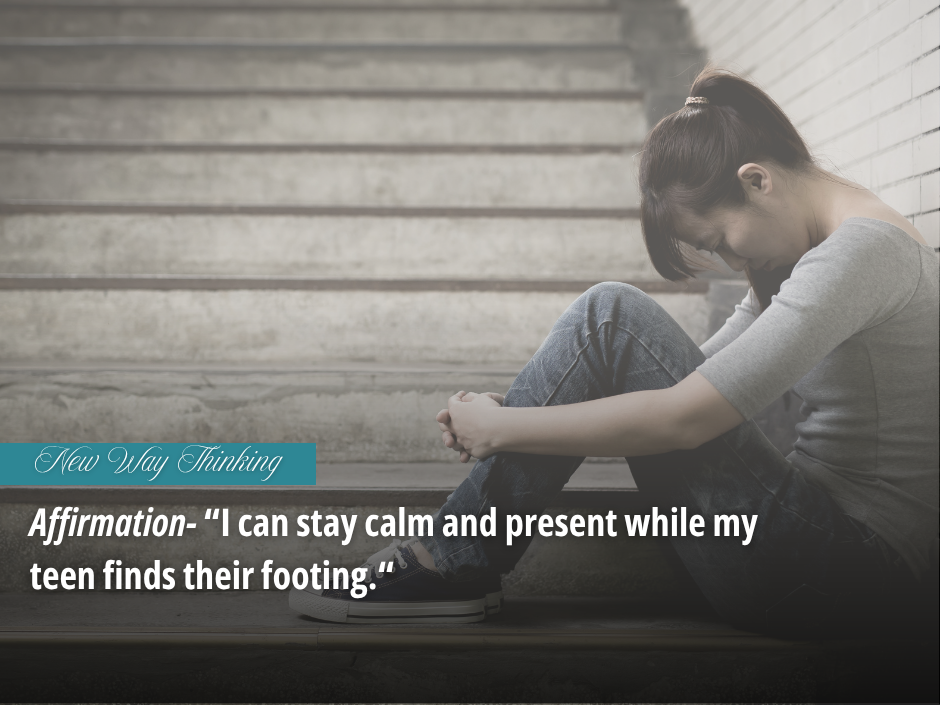
Parenting a teenager can feel like living with changing weather. One week your child is laughing, talking, asking for rides and snacks. The next week you’re met with silence, eye rolls, slammed doors, or a version of your teen that seems distant and unreachable.
Some of that is normal. Adolescence is a season of identity, independence, and big feelings. But depression is something different. Depression isn’t just a bad attitude or a difficult phase. It’s a health issue that can change how your teen thinks, sleeps, relates, and functions. And when you’re the parent watching the shift, it can be hard to know whether you’re overreacting—or not reacting enough.
If you’re here because your gut is uneasy, that matters. You don’t need perfect certainty to start paying attention. You need clarity, steadiness, and a next step that fits your family.
What teen depression can look like in real life
Many parents expect depression to look like sadness. In teenagers, depression often looks like irritability, anger, shutting down, or “I don’t care.” It can also show up as a teen who is constantly tired, constantly overwhelmed, or constantly on edge.
Here are common signs parents notice first—not as a checklist to diagnose your child, but as a way to spot patterns:
A persistent negative mood: frequent irritability, anger, agitation, or hopelessness that doesn’t lift for long.
School changes: drop in grades, lack of motivation, trouble concentrating, increased absences, or a sudden “I can’t do this anymore” attitude from a teen who used to manage.
Loss of interest: pulling away from activities they once cared about, quitting a sport or hobby, or losing the spark that used to be part of them.
Isolation: spending most of their time alone, retreating to their room, avoiding family, or cutting off friendships.
Sleep and appetite shifts: sleeping much more than usual, insomnia, nighttime wakefulness, eating far less or far more.
Risky behavior: substance use, reckless choices, unsafe sex, aggressive behavior, or impulsivity that feels out of character.
Low self-worth: harsh self-talk, intense shame, feeling like a burden, or sensitivity to criticism that seems bigger than the moment.

One thing I want to highlight: teens don’t always have the words to say “I’m depressed.” Sometimes depression comes out sideways—through avoidance, irritability, conflict, or numbness. That’s not manipulation. That’s distress.
“Is this just being a teenager?” A better question to ask
Instead of asking “Is this normal?” try asking:
“Is this a change from who my teen usually is—and is it affecting their daily life?”
Teen hormones and stress can explain short-lived moodiness. Depression tends to show up as a noticeable shift that persists, especially when it starts interfering with school, relationships, sleep, appetite, or basic functioning.
If your teen’s personality seems altered for weeks at a time—more withdrawn, more angry, more hopeless, more disconnected—your concern is valid.
Teen depression can look different than adult depression
Adults with depression often isolate across the board. Teens may still show up with certain friends, or still laugh at a video, while quietly struggling in other areas. That can confuse parents:
“They can’t be depressed—they were just laughing.” The reality is that depression doesn’t erase every moment of light. It changes the baseline.
Also, teens are more likely to express depression through:
irritability and anger
physical complaints (headaches, stomachaches) that don’t have a clear medical cause
intense sensitivity to rejection or criticism
withdrawal from family while still maintaining some peer connections
Suicide warning signs that require urgent attention
If your teen is talking about death, hopelessness, or not wanting to be here, take it seriously—even if they say they’re “joking.” Here are warning signs that should prompt immediate action:
Talking about wanting to die or disappear
Saying there’s no way out, or that others would be better off without them
Giving away prized belongings or saying goodbye in a final-sounding way
Seeking access to weapons, pills, or other means
Escalating reckless behavior, substance use, or self-harm
Sudden calm after a severe low (sometimes this can mean they’ve made a decision)
If you believe your teen may be at immediate risk, call emergency services. In the U.S., you can call or text 988 for the Suicide & Crisis Lifeline.
Why teen depression happens (and why it’s rarely “one thing”)
Depression is usually a combination of factors, not a single cause. Some teens are more biologically vulnerable. Others are impacted by what’s happening around them. And sometimes it’s both.
Common contributors include:
Bullying or cyberbullying
Academic pressure or ongoing stress
Family conflict or instability
Trauma or loss, including experiences your teen hasn’t shared
Other mental health conditions (anxiety, ADHD, eating disorders, learning challenges)
Low support or isolation
Sleep disruption, which can intensify mood symptoms
Social media strain, especially comparison, exclusion, and disrupted sleep
The goal isn’t to hunt for someone to blame. The goal is to understand what your teen may be carrying—and how to help them carry it differently.

How to help a depressed teen without pushing them away
Parents often ask, “What do I say?” Usually, what matters most is how you show up: steady, specific, and nonjudgmental.
Start with a simple opening (not an interrogation)
Try this structure:
Name what you’ve noticed (facts, not accusations)
Name what you’re worried about (care, not control)
Invite them to share (with patience)
Example:“I’ve noticed you’ve been sleeping a lot more and you haven’t wanted to go to practice. I’m not mad—I’m concerned, because I care about you. Can you help me understand what it’s been like lately?”
If they shrug or say “I’m fine,” don’t lecture. Keep the door open:“Okay. I won’t force you to talk right now. But I want you to know I’m available, and I’m not going anywhere.”
Encourage connection without forcing it
Isolation makes depression worse. But “Go be social” can feel impossible to a teen who’s struggling. Instead of pushing big social plans, aim for gentle reconnection:
Invite one trusted friend over
Suggest a low-pressure activity (drive, walk, quick coffee)
Create moments of connection at home that don’t require deep conversation
You’re not trying to “fix their mood.” You’re helping them stay tethered to life.
Support the basics that stabilize the brain
Depression is not solved by a smoothie or a workout. But when a teen’s sleep, movement, and nourishment collapse, their mood often worsens.
Practical supports:
Encourage a more consistent sleep routine (and reduce late-night screen stimulation)
Make real meals easier to access
Invite movement that feels doable (walks, music, sports, even stretching)
Reduce pressure where possible, and help them prioritize what truly matters
Know when it’s time for professional support
If symptoms are persistent, worsening, or interfering with daily functioning, professional help is a wise next step—not a last resort. Therapy gives teens a place to talk without feeling like they’re disappointing you, and it gives parents guidance on how to support them with more confidence.
If your teen is resistant, that’s common. You can still move forward by saying:“I respect your feelings. And I also take your wellbeing seriously. Let’s find someone who feels like a good fit, and we’ll start there.”

Support treatment without trying to become the therapist
If your teen begins therapy, your role isn’t to pull details out of them. Your role is to:
keep routines steady
follow through on appointments
watch for changes (better or worse)
model calm when things feel messy
celebrate small improvements without making them perform wellness
Take care of yourself and the rest of the family, too
When one child is struggling, the whole household feels it. Parents often run on adrenaline, guilt, and fear. Siblings can feel confused, neglected, or anxious. You’re allowed to get support, too. You can’t pour steadiness into your teen if you’re completely depleted.
Conclusion
Your teen doesn’t need perfection. They need you present—and a plan.
If you’re reading this because you’re worried, you’re already doing something important: paying attention. Teen depression is treatable, and early support can change the trajectory of your child’s wellbeing. You don’t have to solve it in one conversation, and you don’t have to carry it alone.
If you’re ready to get support for your teen, explore our clinicians and choose the provider who feels like the best fit for your family.


Comments